Plastic Category |
Common Name |
Scientific Name in Chinese |
Scientific Name in English |
Short Form in English |
Main Usage |
|
|---|---|---|---|---|---|---|
T | Polystyrene | GPPS | 通用聚苯乙烯 | General Purpose Polystyrene | PS | Lampshades, Apparatus covers, Toys |
| HIPS | 高冲击聚苯乙烯 | High Impact Polystyrene | HIPS | Daily commodities, Parts of electrical appliances, Toys | ||
| Modified-Polystyrene | ABS | 丙烯腈-丁二烯-苯乙烯 | Acrylonitrile Butadiene Styrene | ABS | Housing of electrical appliances, Daily commodities, High-class toys, Sports products | |
| AS(SAN) | 丙烯腈-苯乙烯 | Acrylonitrile Styrene | AS(SAN) | Transparent containers for daily use, Transparent household electrical appliances | ||
| BS(BDS) K-Resin | 丁二烯-苯乙烯 | Butadiene Styrene | BS(BDS) | Special packaging, Food containers, Penholders | ||
| ASA | 丙烯酸-苯乙烯-丙烯腈 | Acrylonitrile Styrene acrylate copolymer | ASA | Suitable in general agricultural industry and for making outdoor furniture, Shades of lateral view mirrors of cars | ||
| Polypropylene | PP | 聚丙烯 | Polypropylene | PP | Packaging bags, Drawbenches, Packaging materials, Daily commodities, Toys | |
| PPC | 氯化聚丙烯 | Chlorinated Polypropylene | PPC | Daily commodities, Electrical appliances | ||
| Polyethylene | LDPE | 低密度聚乙烯 | Low Density Polyethylene | LDPE | Packaging plastic bags, Plastic flowers, Plastic bottles, Electric wires, Packaging materials | |
| HDPE | 高密度聚乙烯 | High Density Polyethylene | HDPE | Packaging materials, Construction materials, Buckets, Toys | ||
| Modified polyethylene | EVA | 乙烯-醋酸乙烯脂 | Ethylene-Vinyl Acetate | EVA | Soles of shoes, Films, Sheets, Pass pipes, Daily commodities | |
| CPE | 氯化聚乙烯 | Chlorinated Polyethylene | CPE | Construction materials, Pipes, Cable insulations, Re-packaging materials | ||
| Polyamide | Nylon6 | 聚酰胺-6 | Polyamide-6 | PA-6 | Bearings, Gears, Oil pipes, Containers, Daily commodities | |
| Nylon66 | 聚酰胺-66 | Polyamide-66 | PA-66 | Mechanics, Cars, Industrial chemistry, Electrical installations | ||
| Nylon9 | 聚酰胺-9 | Polyamide-9 | PA-9 | Mechanical components, Pumps, Cable covers | ||
| Nylon1010 | 聚酰胺-1010 | Polyamide-1010 | PA-1010 | Ropes, Pipes, Gears, Mechanical components | ||
| Acrylic | Acrylic | 聚甲基丙烯酸甲脂 | Polymethyl Methacrylate | PMMA | Transparent decorations, Lampshades, Windscreens, Apparatus cases | |
| Acrylic Polymer | Modified Plexiglass 372#,373# | 甲基丙烯酸甲脂-苯乙烯 | Polymethyl Methacrylate-Styrene | MMS | Transparent commodities with high impact resistance | |
| 甲基丙烯酸甲脂-乙二烯 | Methyl Methacrylate-Butadiene | MMB | Cases of machine stands, Frames and daily commodities | |||
| Polycarbonate | PC | 聚碳酸脂 | Polycarbonate | PC | Transparent commodities with high impact resistance, Components with high intensity and impact resistance | |
| Polyoxymethylene | POM | 聚甲醛 | Polyoxymethylene(Polyformaldehyde) | POM | Bearings and gears that have high wearing resistance and can be used in mechanics | |
| Celluloses | CN | 硝酸纤维素 | Cellulose Nitrate | CN | Spectacle frames, toys | |
| CA | 醋酸纤维素 | Cellulose Acetate | CA | Household appliances, Handles of tools, Containers | ||
| 乙基纤维素 | Ethyl Cellulose | EC | Handles of tools, Sports commodities | |||
| Saturated polyester | PET | 聚对苯二甲酸乙二醇脂 | Poly(Ethylene Terephthalare) | PET | Bearings, Chains, Gears, Audio tapes | |
| PBT | 聚对苯二甲酸丁二醇脂 | Poly(Butylene Terephthalare) | PBT | Connector, 3C computer cooling fan | ||
| PolyVinyl Chloride | PVC | 聚氯乙烯 | Poly(Vinyl Chloride) | PVC | Manufacturing bars, Pipes, boards, Pipelines, Insulated layers of wires, Seals | |
| Fluoroplastics PVF | PTFE | 聚四氟乙烯 | Polytetrafluoroethylene | PTFE | High frequency electronic apparatus, Radar insulated components | |
| F46 | 聚全氟代乙丙烯 | Perfluorinated Ethylene-Propylene Copolymer | FFP,F46 | High frequency electronic apparatus, Radar insulated components | ||
| F3 | 聚三氟氯乙烯 | Polychlorctrifluoreethylene | PCTFE | Transparent review glasses, Valve tubes | ||
| Teflon | 可溶性聚四氟乙烯 | Teflon,PFA | Chemical accessories, Mechanical components, Protective films of wires, Can undergo plastic making | |||
| ETFE | 四氟乙烯-乙烯共聚 | ETFE | Chemical accessories, Mechanical components, Protective films of wires | |||
| 四氟乙烯-六氯丙烯共聚 | Fluorinated Ethylene-propylene | FEP | Wire coatings, Thin films (Insulated films, Protective films of boards, Mold-discharging films), Linings | |||
| 三氟氯乙烯-乙烯共聚 | ECTFE | Mainly used in cables | ||||
| 聚偏氟乙烯 | PVdF | Chemical accessories, Mechanical components, Protective films of wires, Thin films of cables and capacitors, Architectural coatings with long lifespan and high weather resistance; Can undergo plastic making | ||||
| 聚氟乙烯 | PVF | Mainly used to produce thin films and coatings; Applied into architecture, Traffic, package | ||||
| Polysulfone | 聚砜 | polysulfone | PSU(PSF) | Components of electronics, Construction parts, Elements of airplanes and cars | ||
| 聚醚砜 | polyethersulfone | PES | Components of electronics, Construction parts, Elements of airplanes and cars | |||
| 聚芳砜 | polyarylsulfone | PAS | Can be used as Grade C insulation material to produce components of electronics, Substitute metals, Ceramics to produce mechanical components | |||
| Chlorinated Polyethers | 氯化聚醚 | Chlorinated Polyethers | PENTON(CPT) | Substitute stainless steel and chlorine plastics | ||
| Polyphenylene Ethers | 聚苯醚 | poly(phenylene oxide) | PPO,MPPO | Gears, Bearings, Chemical facilities and Components that work under high temperature | ||
| Polyarylates | 聚芳脂 | PAR | Cars, Electronics, Medical equipment | |||
| Polyphenylene Sulfides | 聚苯硫醚 | poly(phenylene sulfone) | PPS | Commodities with great heat resistance, Components of electronics and cars, Chemical facilities | ||
| Polyether Ketones | 聚醚醚砜 | PEEK | Chemical resistant products, Wire coatings, High temperature terminals, Cams | |||
| Polyimides | 结晶型聚酰亚胺 | Polyimides | PAI | Heat resistant, Self-lubricating, Anti-friction products, Components of astronomical equipment, Electronics, Airplanes and Autos | ||
| 非结晶型聚醚亚胺 | Polyimides | PEI | Heat resistant, Self-lubricating, Anti-friction products, Components of astronomical equipment, Electronics, Airplanes and Autos | |||
| 热固性双马来酰亚胺 | Polyimides | BMI | Heat resistant, Self-lubricating, Anti-friction products, Components of astronomical equipment, Electronics, Airplanes and Autos | |||
| Liquid Crystal Polymers | 自增强聚合物 | Self-reinforced polymer | LCP | Stands inside microwaves, Electronics, Components of cars and mechanics | ||
| Poly-methylpentenes-1 | TPX | 聚甲基戊烯-1 | Polymethylpentene | TPX | Disposable syringes, Feeding bottles, Lampshades of cars | |
T | Phenol formaldehyde | Bakelite | 苯酚-甲醛树脂 | Phenol-Formaldehyde | PF | Soundless gears, Bearings, Steel helmets, Electronics, Accessories of communication equipment |
| Amino plastics | Aminoplas | 脲-甲醛树脂 | Urea-Formaldehyde | UF | Daily commodities, Shells of electronics, Wood adhesives | |
| Melamine | Melamine | Melamine-Formaldehyde Resin | MF | Food, Daily commodities, Components of electric switches | ||
| Aniline - formaldehyde resin | Aniline-Formaldehyde Resin | AF | ||||
| Epoxy | Epoxy | 环氧树脂 | Epoxide Resin | EP | Components of truck tractors, Coatings of ships | |
| Polyurethane | PU | 聚氨脂树脂 | Polyurethane Resin | PU | Soles of shoes, Cushions of chairs and beds, Artificial leather, Paint | |
| Silicone | Silicone | 硅氧烷 | SI | Rubber commodities, Mold-discharging agents, Latex elastomers, Varnish paint | ||
| Unsaturated polyester | 醇酸树脂 | Alkyd Resin | AK | Paint, fiber-reinforced plastics, Decoration accessories, Floors, Buttons | ||
| 烯丙基树脂 | Allyl Resin | DAP |
|
|
|
|
|---|---|---|---|
| 1 | Streak formation | Temperature of resin is too low | Raise temperature of resin | Injection speed is too fast | Reduce injection speed | Mold temperature is too low | Raise temperature of mold | Undesirable gate position | Alter gate position |
| 2 | Wrinkle formation or uneven surface cleanliness | Temperatures of resin and mold are too low | Reduce injection speed, raise mold temperature | Inadequate injection pressure | Raise injection pressure | Injection speed is too slow | Fasten injection speed | Undesirable gate position | Alter gate position, increase number of gates | Gate is too small | Enlarge gate | Mold-discharging agent, pollution, water evaporation | Change mold-discharging agent, clean mold surface | Setting vapor spout |
| 3 | Silver Mark | Resin decomposition | Lower temperature of resin | Inadequate dryness of resin | Dry resin sufficiently | Retention period of resin is too long | Reduce circulation time | Injection speed is too quick | Reduce injection speed | Entrance of air | Raise backpressure | Mold temperature is too low | Increase mold temperature | Injection molding machine | Add air drains | Undesirable air draining of mold | Set up grooves for vapor outflow | Pollution of surface | Clean surface of mold |
| 4 | Patterns around gate | Temperature of resin is too low | Increase temperature of resin, increase temperature of building core | Inadequate dryness | Dry resin sufficiently | Injection pressure is too low | Raise injection pressure | Injection speed is too slow | Faster injection speed | Mold | Raise temperature of mold | Enlarge gate and runner | Alter gate position |
| 5 | Black streak formation | Principal axis, barrel, scar | Clean principal and barrel, change axis | Retention period is too long | Inject resin in barrel out | Temperature of barrel is too high | Lower injection speed | Injection speed is too fast | Lower injection speed | Shaft revolution is too fast | Reduce shaft speed, Reduce backpressure |
| 6 | Scorching | Entrance of air | Install air drains | Set up grooves for vapor outflow | Injection speed is too fast | Reduce injection speed |
| 7 | Cloud patterns formation, lusterless | Resin is overheated | Decrease temperature of barrel | Insufficient dryness of molding material | Dry them sufficiently, alter drying method | Mold temperature is too low | Increase mold temperature | Temperature of barrel is too high/ too low | Adjust temperature of barrel | Excessive mold-discharging agents | Reduce mold-discharging agents |
| 8 | Color aberration, mixing of color | Unsatisfactory dispersion of dyes and pigments | Change resin, colorant | Temperature of molding barrel is too high/ too low | Adjust temperature of barrel | Undesirable plasticization | Decrease shaft speed, increase backpressure | Decomposition of resin | Lower temperature, shorten circulation time | Cleaning of builder is not thorough enough | Remove all remains to empty barrel completely | Cooling period is too short | Extend cooling period | Undesirable gate position | Correct position of gate | Dispersants and diffusion agents | Additives that are not suitable for that resin should not be added |
| 9 | Turbid transparent materials | Inadequate dryness of materials, invasion of foreign materials | Dry materials sufficiently, change materials used | Temperature of resin is too high/ too low | Monitor temperature of resin | Retention period is too long | Shorten retention period of molding materials | Temperature of barrel is too high | Reduce temperature of barrel | Excessive additives, mold-discharging agents | Confirm suitability of additives, reduce mold-discharging agents |
| 10 | Bubbles | Decomposition of molding materials | Lower molding temperature | Inadequate dryness of materials | Thoroughly dry materials | Retention period of resin is too long | Amend charging-in route of principal axis inside barrel | Injection pressure is too low | Raise injection pressure | Packing pressure is too low | Raise packing pressure | Backpressure is too low | Raise backpressure | Injection speed is too low | Faster injection speed | Backpressure is too high | Regulate temperature of mold | Mold temperature is too high/ too low | Regulate temperature of mold | Insufficient cooling of bottom of hopper | Improve cooling of bottom | Molding machine | Add air drains |
| 11 | Impurities, foreign matter | Cleaning of molding machine, hopper and dryer is not thorough enough | Clean molding machine, hopper and dryer thoroughly | Surrounding dust | Separate materials with plastics | Cleaning of material carrier pipe is not | Clean material carrier pipe thoroughly | Rusting of molds | Clean molds thoroughly | Unsatisfactory materials | Change materials used |
| 12 | Stripping | Invasion of different materials | Monitor materials | Resin temperature is too low | Raise resin temperature | Mold temperature is too low | Raise mold temperature | Inappropriate use of materials, insufficient cooling | Change materials, change cooling conditions |
| 13 | Crack formation | Unsatisfactory drying conditions | Set drying conditions according to types of resin | Resin temperature is too low | Increase resin temperature | Mold temperature is too low | Increase mold temperature | Injection pressure is too high | Reduce injection pressure | Packing pressure is too high | Reduce packing pressure | Packing period is too long | Shorten packing period | Inadequate inclination | Increase inclination | Undesirable position of ejector pin | Adjust position of ejector pin | Too few ejector pins | Add ejector pins | Insufficient mold-discharging agents | Add mold-discharging agents |
| 14 | Fragile Inadequate strength | Inappropriate molding materials | Change molding materials | Invasion of different materials and powder | Monitor quality and quantity of materials | Inappropriate dryness | Set drying conditions based on molding materials | Resin temperature is too high | Lower resin temperature | Inappropriate resin temperature | Adjust molding temperature | Undesirable plasticization | Regulate molding temperature, shaft speed and backpressure | Unsatisfactory injection pressure | Adjust injection pressure | Packing pressure is too low | Raise packing pressure | Inappropriate injection speed | Monitor injection speed | Cooling period is too short | Extend cooling period | Mold temperature | Adjust mold temperature | Insufficient mold intensity | Repair molds | Insufficient gates | Alter gate positions, add gates | Post-processing | Adopt slow cooling |
| 15 | Uneven sizes | Gilt mobility of materials | Monitor molding temperature | Water adsorption of materials | Dry materials sufficiently | Injection pressure is too low | Adjust injection pressure | Packing pressure is too low, packing period is too short | Regulate packing time and pressure | Cooling period is too short | Extend cooling period | Backpressure is too low | Choose suitable backpressure | Unsuitable mold temperature | Adjust mold temperature | Closing force of molds is too little | Raise closing force of molds | Inadequate mold intensity | Repair molds, increase intensity | Unsuitable gate position | Alter gate position | Insufficient gates | Add more gates |
| 16 | Deformation | Inadequate mobility of molding materials | Increase temperature of resin | Contraction rate is too large | Use resin with smaller contraction rate | Injection pressure is too high | Reduce injection pressure | Cooling period is too short | Lengthen cooling period, use cooling mold | Mold temperature | Cool every part, change molds used |
| 17 | Irregular surface | Too much engineering plastics like PA, PET | Improve cooling of bottom | Lateral side of hopper is too hot | Reduce temperature of barrel under hopper | Backpressure is too high | Adjust backpressure, fix deceleration time | Undesirable breeder materials | Smash breeder materials | Remove powder with a sieve | Remove parts with film that is thinner than 0.2mm | Reinforced glass fiber granules | Use 2.5mm – 3.5mm long glass fibers |
| 18 | Trimming, flash formation | Mobility of resin is too quick | Lower molding temperature, change molding material | Packing is too slow | Adopt fast packing | Unsatisfactory closing force of molds | Increase closing force of molds | Insufficient intensity of molds | Repair molds | Unsmooth surface of molds | Repair molds | Excess gilt mobility of resin | Lower resin temperature | Change molding materials | Injection pressure is too high | Reduce injection pressure | Adopt packing quickly | Unsatisfactory molds | Inadequate intensity of molds | Unsatisfactory sealing of divisional planes |
| 19 | Beard formation | Large contraction rate of resin formation | Change molding materials | High temperature of resin | Reduce temperature of resin | Injection pressure is too low | Raise injection pressure | Packing pressure is too low | Raise packing pressure | Injection speed is too slow | Quicken injection speed | Mold | Lower mold temperature of sides where beards form | Enlarge gates of molds and material runners | Improved gates position of mold, uniform wall thickness | Mold temperature is too high | Reduce mold temperature |
| 20 | Lack of edges | Insufficient mobility of resin | Increase resin temperature | Change molding materials | Injection pressure is too low | Raise injection pressure | Low packing pressure | Add in packing slowly | Increase packing pressure | Injection speed is too slow | Increase injection and entering speed | Inadequate volume for measurement | Increase set values for measurement | Unsuitable principal axis | Use principal axis that can against counter-current | Mold | Enlarge gates of molds | Expand material runners |
Resin identification code, called also synthetic resin code, plastic texture code, plastic material code or plastic code, is the classification coding method developed by The Society of the Plastics Industry, Inc., US.
Most plastics can be recycled but have to be assorted according to their different types of polymers. Due to the difficulties and expensive cost incurred in choosing, collecting, cleaning and reprocessing, only the recycling of polyethylene terephthalate and high-density polyethylene (HDPE) can be supported now. Though polyvinyl chloride is claimed to be recyclable, it is not a unitary material and indeed, its applications contain various toxic additives. (Remark: Present additives possess a non-toxic formula and they have replaced past additives with heavy metals or endocrine disrupting materials.) Thermoplastics can be heated and remolded while thermosetting plastics can merely be rendered to insulators through crushing.

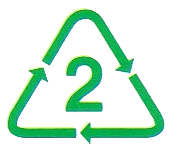
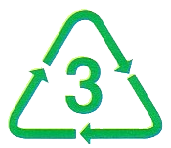
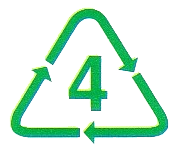

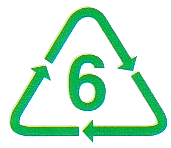

Sign |
Short form |
Name of polymer |
Usage |
Property and safety problem |
Original color of plastic |
|---|---|---|---|---|---|
| | PETE / PET | PET(Polyethylene terephthalate) | Polyesters, thermoplastic resins, tapes and PET bottles, on-shelf beverage bottles, oil bottles for food; refer to the recycling of PET bottles | Resistant to heat (60~85oC), acids and alkalis; overheating or long-time using may release carcinogen di(2-ethylhexyl)phthalate (DEHP); under general situations, plasticizers will not be added to PET materials | White or transparent (quick-freezing during processing) |
| | HDPE / PEHD | PE(High-density polyethylene) | Bottles, shopping bags, recycling bins, pipes for agriculture, cup bases, vehicle obstructions, milk bottles, facilities in playgrounds and plastic-wood compounds | Resistant to heat (90~110oC), corrosions, acids and alkalis; not easy to completely remove residues; food containers should not be repeatedly used after cleaning | White and translucent |
| | PVC / V | PVC(Polyvinyl chloride) | Pipes, enclosing walls, bottles for non-food, plastic wraps, packing boxes of eggs, casters | Resistant to heat (60~80oC); overheating will easily release toxic additives (used for improving the functions of that plastic, endocrine disrupting chemical-containing); PVC is added with a lot of plasticizers (plasticizers nowadays possess a non-toxic formula so that PVC can be widely applied continuously) | Colorless and transparent |
| | LDPE / PEBD | PE(Low-density polyethylene) | Plastic bags, various containers, prescription bottles, washing bottles, piping and different molded laboratory facilities | Resistant to heat (70~90oC), corrosions, acids and alkalis; overheating may produce carcinogens | White and translucent/ thin film products are transparent |
| | PP | PP(Polypropylene) | Car components, industrial fibers, food containers, tableware, cups, pudding containers and soy milk bottles | Resistant to heat (100~140oC), acids and alkalis, chemicals, and collisions; safer to operated under food processing temperature | White and translucent |
| | PS | PS(Polystyrene) | Accessories on desks, self-service trays, tableware, toys, video cassette cases, Yakult bottles, ice-cream containers, bowls for instant noodles, bulkheads and expanded polystyrene (EPS) products like styrofoams(Expanded polystyrene,EPS) | Resistant to heat (70~90oC); low water absorption; high stability; easily release carcinogens under high temperature, or in acidic and alkaline solutions (like orange juice); unsuitable for alcohols or edible oils | Colorless and transparent |
| | OTHER | Other plastics including Melamine, ABS resin (ABS), Polymethylmethacrylate (PMMA), Polycarbonate (PC), Polylactic acid (PLA), nylon and reinforced glass-fiber plastic | Tableware | Polycarbonates (PC) resist 120~130oC heat, unsuitable for alkalis; Polylactic acids (PLA) resist 50oC heat; Acrylics resist 70~90oC heat, unsuitable for alcohols; Melamine resins resist 110~130oC heat but since it may dissolve to give Bisphenol A, it is not suggested for holding hot food | Polycarbonates (PC), Polylactic acids (PLA) and acrylics are colorless and transparent; Melamines are transparent and close to white color |
If you have any inquiry, you are welcomed to contact us.
雅各臣(香港)有限公司
Jacobson van den Berg (Hong Kong) Ltd
info@jvdb.com
+852 2828 9328
+852 2828 9408