This series of products are mainly composed of aromatic, semi-crystalline polyamide. Grivory is supplied in the form of granules to facilitate general market sales and further injection molding or extrusion manufacturing of models.
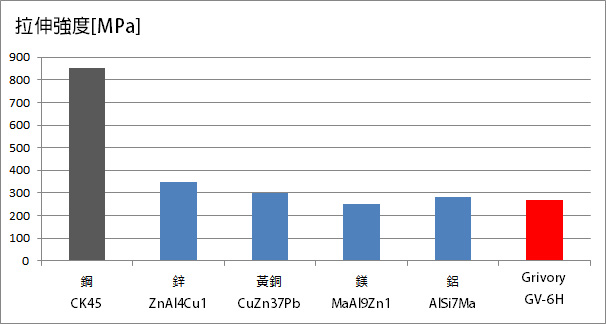
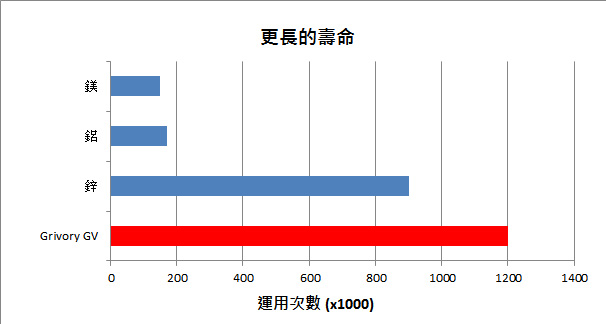
Technical components made from Grivory possess the following characteristics:
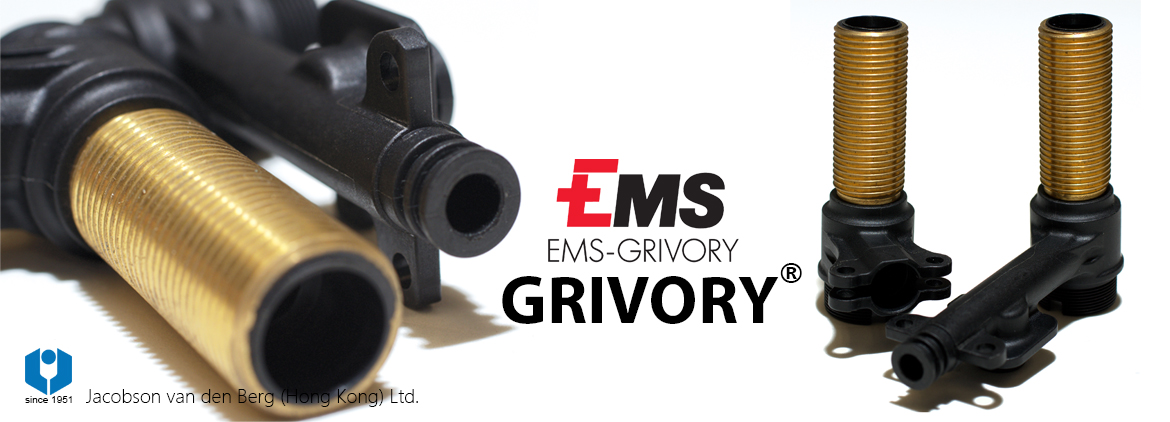
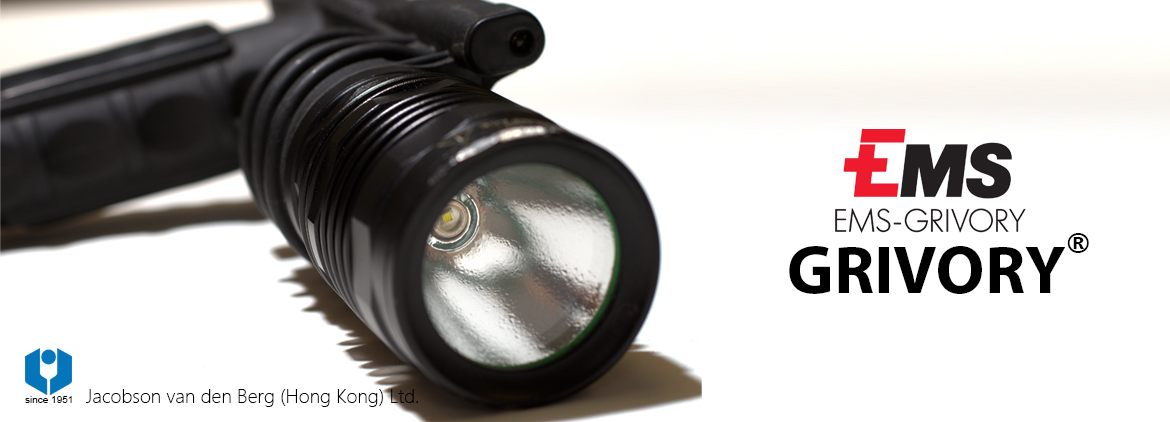
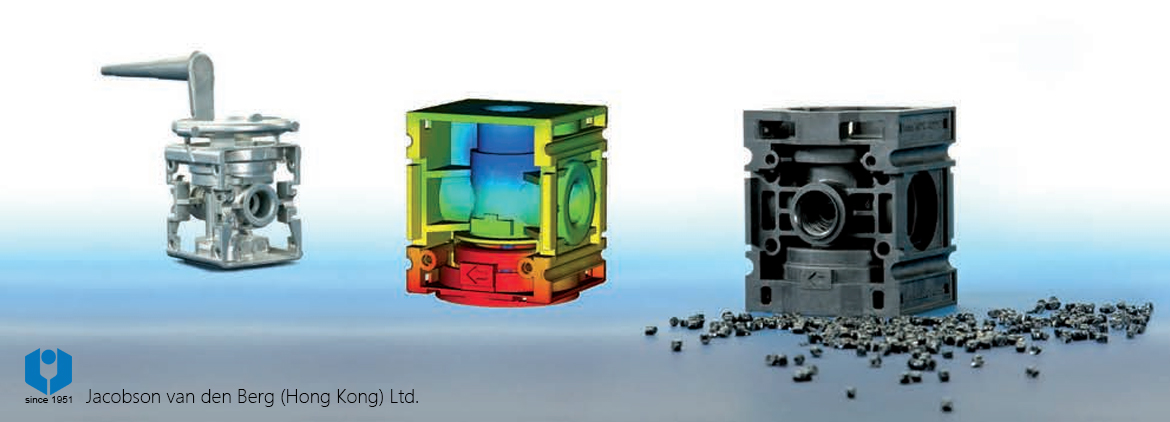
In sanitary markets, polyamides produced by EMS-GRIVORY are mainly used to manufacture water meters, covers of filter machines, filter bowls and pressure reducing valves. The products are significantly more cost-effective than brass. Its application into coffee machines has granted all essential approvals that the machines are special products which can directly contact hot water. In architecture, furniture industry and mechanical engineering, our products are adopted into areas which strictly require long life cycle and high safety standard.
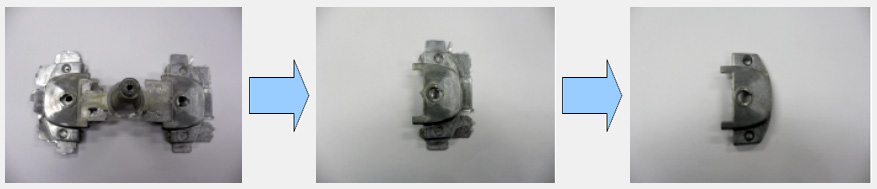
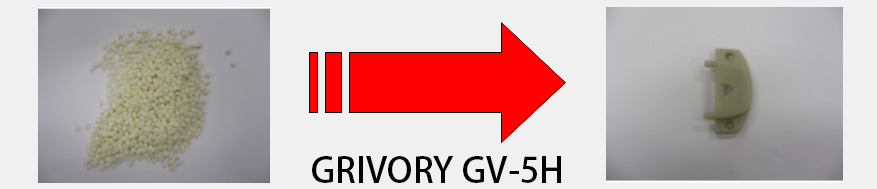
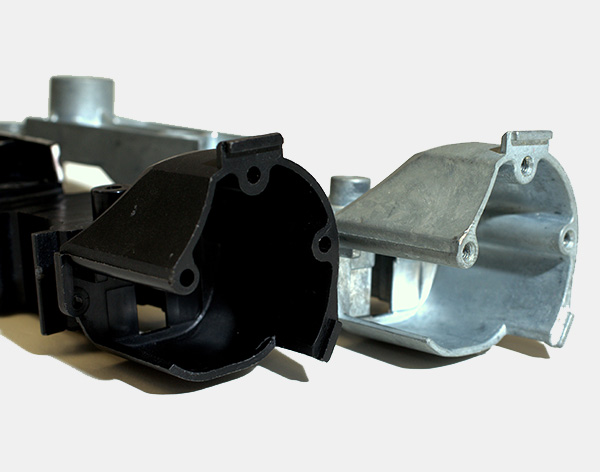
| Material | Zinc die-casting | GV-5H |
| Density | 6.6g/cm3 | 1.56g/cm3 |
| Weight of component | 24.54g | 5.8g |
| Material cost (USD/ cm3) | 0.01419 | 0.01077 |
| Material cost % | 100% | 76% |
| Production cost % | 100% | 60% |
| Price (Dec. 2011) | USD2.15/kg | USD6.91/kg |
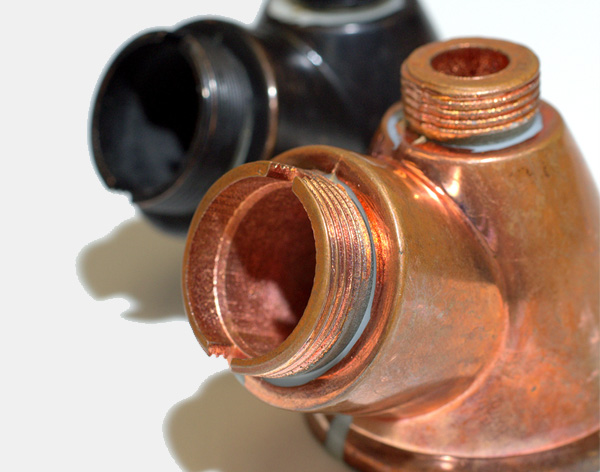
| Material | Brass | GV-5H |
| Density | 8.3g/cm3 | 1.56g/cm3 |
| Weight of component | 30.86g | 5.8g |
| Material cost (USD/ cm3) | 0.06474 | 0.01077 |
| Material cost % | 100% | 16% |
| Production cost % | 100% | 60% |
| Price (Dec. 2011) | USD7.8/kg | USD6.91/kg |
If you have any inquiry, you are welcomed to contact us.
雅各臣(香港)有限公司
Jacobson van den Berg (Hong Kong) Ltd
info@jvdb.com
+852 2828 9328
+852 2828 9408